%2Ffit-in%2F250x250%2Fguide_websites%2F17229%2Fimages%2F1720648490222327148331_730323611996361_8504616895307630119_n-removebg-preview.png&w=1920&q=100)
Tarpon Fishing Charter in San Juan Puerto Rico
Tarpon Fishing in San Juan - What to Expect
%2F%2Fusers%2F2f65bb9f-48d0-4ea0-81a2-0a085dcf89be%2Fimages%2Fsan-juan-tarpon-fishing-catch-2447.jpg&w=1920&q=75)
Fishing Charter by Captain Rafael Vega in April
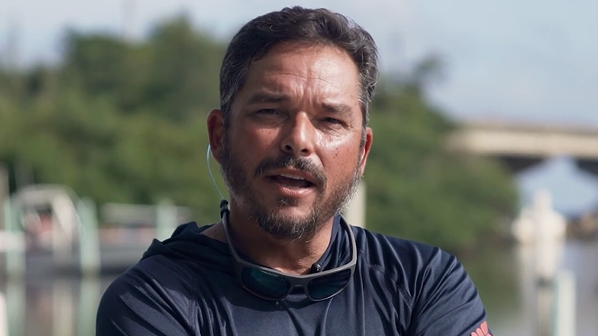
Meet your Captain Rafael Vega
- Go Fish With The Top Puerto Rico Fishing Charters!


Summary
Join Captain Rafael Vega of Go Tarpon PR Fishing Charters on Thursday, April 10 for an unforgettable tarpon fishing charter in San Juan. This fishing charter targets one of the ocean's most powerful and acrobatic species, offering an exhilarating experience for anglers seeking an authentic Puerto Rico fishing adventure.
Fishing Charter with Captain Rafael Vega - Rates & Booking
Captain Rafael Vega of Go Tarpon PR Fishing Charters operates tarpon fishing charters in San Juan on Thursday, April 10. His experience targeting tarpon in Puerto Rico waters provides anglers with the knowledge and skill needed to successfully pursue these powerful fish. Contact Go Tarpon PR Fishing Charters to inquire about availability, pricing, and booking your charter adventure.
Highlights of Your Tarpon Fishing Experience
Tarpon fishing in San Juan offers a dynamic and physically engaging experience. These silver kings are known for explosive strikes, powerful runs, and dramatic aerial displays when hooked. The charter experience combines the thrill of the hunt with the technical challenge of fighting and potentially landing one of the ocean's most formidable game fish.
San Juan's proximity to tarpon habitat makes it an ideal location for pursuing this species. Whether you're an experienced angler or targeting tarpon for the first time, Captain Vega's local knowledge helps position your charter for encounters with these remarkable fish.
Local Species Insights: Tarpon
Tarpon are among the most prized game fish in Puerto Rico waters. These large, silvery fish can reach lengths over 100 pounds and inhabit coastal flats, channels, and deeper waters around San Juan. Tarpon are ambush predators that feed on smaller fish and crustaceans, making them responsive to baitfish patterns and artificial lures.
The tarpon's anatomy makes it an extraordinary fighter. Its heavily armored body, powerful tail, and incredible jaw strength allow it to accelerate rapidly and perform high, spinning leaps when hooked. These aerial displays are what make tarpon fishing legendary among saltwater anglers. The fish's ability to gulp air at the surface also means it can survive in low-oxygen environments, expanding the habitats where they're found around San Juan.
Tarpon fishing requires understanding their behavioral patterns. They're often found cruising shallow flats during tide changes, gathering in deeper channels during slack water, and feeding more aggressively in early morning and late afternoon hours. San Juan's tidal systems create predictable movements that experienced guides use to locate feeding fish. The combination of shallow-water sight fishing and exciting battle conditions makes tarpon one of the most sought-after species in the region.
Successfully catching tarpon involves presenting bait or lures near their mouths, as their superior jawbone positioning doesn't allow traditional throat hookups. Once hooked, the fight can last 30 minutes or longer as tarpon make multiple runs and test every aspect of your tackle and technique. This challenging yet rewarding fishing experience is why anglers travel specifically to target tarpon in Puerto Rico.
Fishing in Puerto Rico: Tarpon
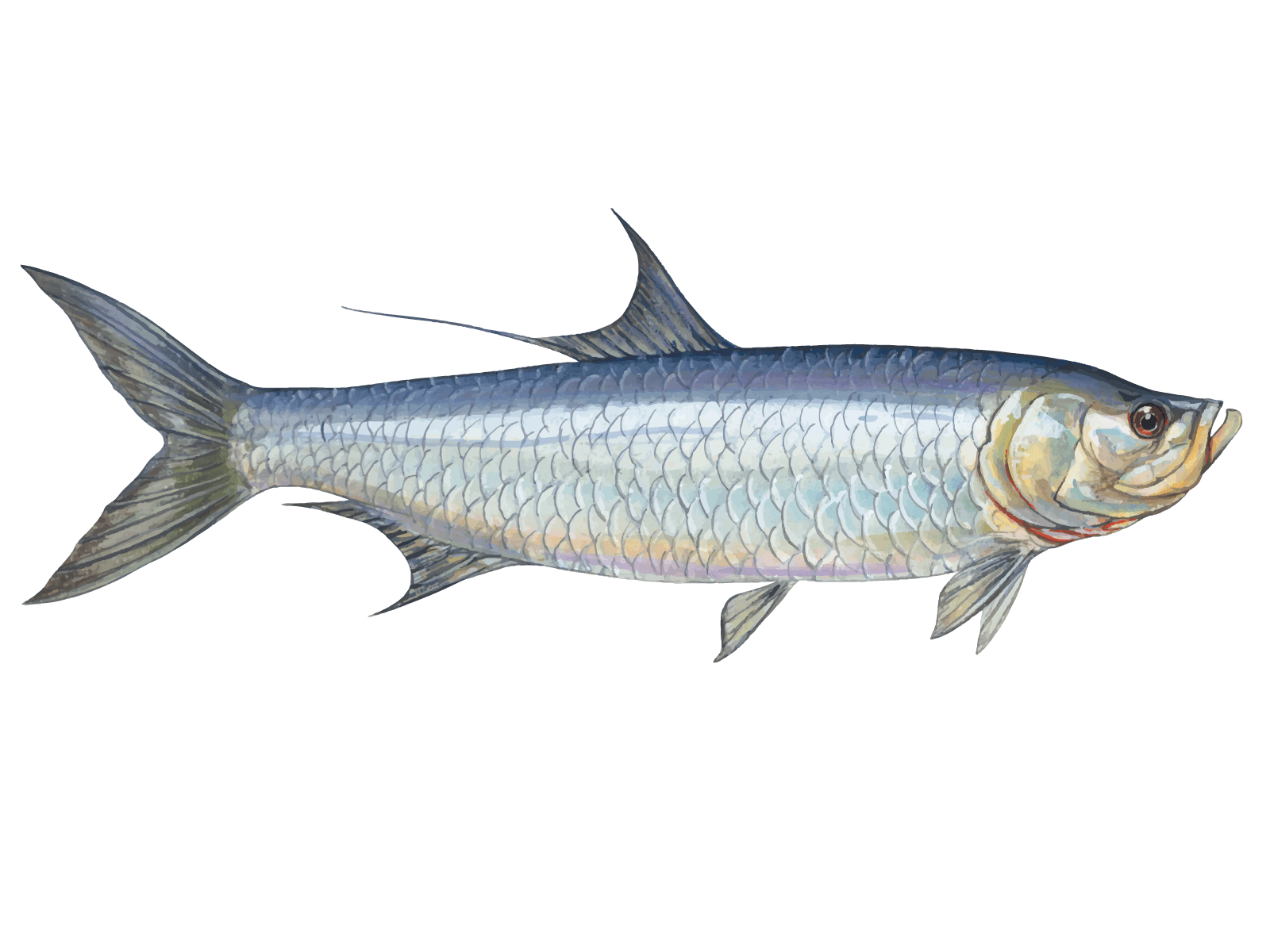
Tarpon Overview
The Tarpon (Megalops atlanticus) is a legendary game fish belonging to the family Megalopidae and order Elopiformes. This prehistoric giant has been swimming our oceans for over 125 million years, making it one of nature's most enduring success stories. What makes the tarpon truly unforgettable is its spectacular athleticism—when hooked, these muscular fish explode out of the water, launching themselves 10 feet into the air with raw power and speed. The tarpon's shimmery silver body, topped with a blue-grey or greenish back and adorned with large flat scales, is instantly recognizable. Their upward-pointing lower jaw and elongated dorsal fin give them a prehistoric look that matches their ancient lineage. For anglers and nature enthusiasts visiting destinations like the Florida Keys, spotting or landing a tarpon is often a bucket-list experience—a moment few will ever forget.
Tarpon Habitat and Distribution
Tarpon thrive in a diverse range of saltwater and brackish environments across the Western Atlantic. You'll find them along the Atlantic coast from Virginia all the way down to Brazil, throughout the Caribbean, and along the entire Gulf of Mexico coast. These migratory fish are most abundant in South Florida, the Florida Keys, and around the Gulf of Mexico, but they're also known to venture north during summer months, occasionally appearing as far north as New England and even Nova Scotia, Canada. In winter, they migrate toward Southern Florida and Central America seeking warmer waters. Prime locations include the shallow coastal waters and estuaries of Islamorada, Marathon, Key West, Biscayne Bay, and the Everglades National Park. They also frequent deeper moats around smaller keys, grass and mud flats, and the Atlantic and Gulf "strips"—the edges of flats where bait concentrations are highest. Unlike most fish, tarpon can gulp air at the water's surface, allowing them to survive in low-oxygen environments and even venture into rivers like Crystal River.
Tarpon Size and Weight
Adult tarpon typically reach lengths of 4 to 6 feet and weigh between 80 and 100 pounds, making them formidable opponents for any angler. However, these fish can grow substantially larger—reaching up to 8 feet in length and weighing as much as 280 pounds for the largest specimens. Female tarpon tend to grow larger than males, sometimes exceeding 300 pounds, while males generally cap out at slightly smaller dimensions. What's truly remarkable is their longevity: tarpon can live 50 years or longer in the wild, with the oldest tarpon in captivity surviving to 63 years of age. Their slow growth rate means that even a 100-pound tarpon is likely between 13 and 16 years old, making each catch a living piece of history.
Tarpon Diet and Behavior
Tarpon are strictly carnivorous hunters with appetites to match their size. They're opportunistic feeders that hunt mid-water baitfish, consuming everything from small fish to larger prey they swallow whole. Their hunting strategy relies on ambush tactics in shallow flats and channels where they can corner their prey. These fish are famous for their acrobatic displays and aggressive strikes—when a tarpon takes your bait or fly, you'll know it immediately. They're capable of swimming at speeds up to 35 miles per hour, making them one of the fastest fish in shallow water. Their behavior changes seasonally, with spring and summer bringing them into shallower spawning grounds, while fall and winter trigger their southern migration. During low-light periods—early morning, late evening, and overcast days—tarpon tend to be more active and aggressive, making these prime fishing windows.
Tarpon Spawning and Seasonal Activity
Tarpon exhibit fascinating reproductive behavior tied to lunar cycles and seasonal warmth. Spawning occurs offshore in warm, secluded areas during late spring through late summer, typically coordinated with full moon or new moon cycles when tides are at their strongest. During broadcast spawning events, a single female tarpon can release up to 12 million eggs into the water column, which are fertilized by male sperm in the open ocean. These transparent, ribbon-like eggs float near the surface and absorb nutrients directly through their skin. Once hatched, juvenile tarpon remain in shallow nursery waters until they develop into adults. Tarpon reach sexual maturity relatively late in life—typically between 7 and 13 years old—which is why conservation through catch-and-release fishing is critically important. Understanding this seasonal migration pattern is key to successful tarpon fishing: concentrate your efforts in the Florida Keys during spring and summer for spawning season, and expect fish to be more dispersed throughout the region during fall and winter months.
Tarpon Techniques for Observation and Capture
Spin Casting Method: Use a 5000 to 7000-size spinning reel paired with a medium-weight rod and corrosive-resistant drag system. Live bait is your best friend here—shrimp, pinfish, mullet, and crabs are tarpon favorites. Hook crabs in the corner of the shell and baitfish through the mouth for optimal presentation. Stake out above tarpon-holding areas (deeper moats and channel edges around the Keys) and drift your live bait down to waiting fish. This classic approach works exceptionally well around Islamorada and Marathon, where shallow flats meet deeper water.
Fly Fishing the Flats: Armed with a 10-weight rod, fly fishing for tarpon on shallow flats is pure adrenaline. The goal is to sight-cast to schools or individual cruising fish. Effective flies include the Black Death, Purple People Eater, White Lightning, Tarpon Shrimp, Coker Smoker, and Tarpon Toad. Lead your cast ahead of the school, then strip aggressively to trigger strikes. The visual component of seeing a giant tarpon turn toward your fly and explode on the take is unmatched.
Guide Service Approach: Booking a professional tarpon fishing charter is the gold standard for success. Guides bring expert knowledge of current tarpon migration patterns, the latest fishing reports, and intimate familiarity with prime locations. Around Key West, experienced guides can position you in prime channels and harbor areas where tarpon congregate predictably. The investment pays dividends in successful hookups and memories that last a lifetime.
Tarpon Culinary and Utilization Notes
While tarpon are technically edible, they're not recommended for consumption, and for good reason. Their flesh contains high mercury levels that can pose health risks, especially with frequent consumption. Additionally, their meat is tough and full of small, hard-to-clean bones that make preparation a nightmare for home cooks. The real value of tarpon lies in their role as a world-class sport fish. Most serious anglers practice strict catch-and-release protocols to preserve populations and ensure future generations can experience the thrill of battling these legendary fish. If you're curious and choose to eat tarpon anyway, the flesh offers a white, flaky texture with a mild taste and oily flavor, best prepared by baking or grilling rather than consuming raw. However, the overwhelming recommendation from fisheries experts and conservationists is simple: catch tarpon for the fight, the story, and the acrobatic show—then release them carefully to swim another day.
Tarpon Frequently Asked Questions
Q: What is the best bait for catching tarpon?
A: Live bait reigns supreme for tarpon fishing. Your top choices are live shrimp, pinfish, mullet, and crabs. The key is matching the size of bait to the fish you're targeting and presenting it naturally. For live shrimp, hook them through the tail to keep them swimming naturally. For crabs, hook them in the corner of the shell to avoid damaging vital organs. For baitfish, insert the hook through the mouth for a natural presentation that doesn't impede swimming.
Q: Where can I find tarpon near Key West?
A: Key West Harbor is a hotspot, especially in the channels and deeper water adjacent to the harbor entrance. The deeper moats around the smaller keys in the surrounding area also concentrate tarpon, particularly during spring and summer spawning season. The Atlantic and Gulf "strips"—the edges of flats—around Key West are prime hunting grounds. Local charter captains know the precise holding areas and current patterns that position tarpon for successful encounters.
Q: Is tarpon good to eat?
A: Not recommended. While tarpon flesh is technically edible with a white, flaky texture and mild, oily taste, high mercury levels and numerous small bones make them poor table fare. Most anglers practice catch-and-release, valuing these fish far more for their incomparable fighting ability than as a food source. If you do choose to eat tarpon, only consume fish from clean waters and prepare by baking or grilling rather than eating raw.
Q: When is the best time to catch tarpon?
A: Spring through early summer (late April through July) is prime tarpon season in Florida, coinciding with spawning activity and peak migration. However, tarpon are accessible year-round in South Florida and the Florida Keys, with different seasons offering different advantages. For sight-fishing on shallow flats, dawn and dusk provide optimal light conditions. Full moons and new moons trigger increased spawning behavior and aggression, making these lunar phases prime fishing windows.
Q: How do I know if a tarpon is hooked versus just striking?
A: A tarpon strike is unmistakable—you'll feel an explosive tug followed by the fish's characteristic head-shaking and jumps. Set the hook hard with multiple sharp jerks to embed it properly in their bony jaw. If the fish is truly hooked, it will jump dramatically and run with tremendous power. Many tarpon shake free during these acrobatic displays, so maintain steady tension and keep your rod tip up throughout the fight. Experienced guides can often call whether you're hooked solid based on the nature of the initial strike and subsequent runs.
Q: What equipment do I need for tarpon fishing in the Florida Keys?
A: For spin-casting, a 5000 to 7000-size reel with corrosion-resistant construction and smooth, powerful drag paired with a medium-weight rod is ideal. For fly fishing, bring a 10-weight rod with a quality reel and floating or intermediate fly line. Polarized sunglasses are essential for spotting fish on the flats. Bring a variety of live baits (shrimp, pinfish, mullet) and keep them in a well-aerated bait tank. A quality leader material tested to 50+ pounds protects against tarpon's rough mouth. Most importantly, hire an experienced guide who knows the current patterns, fish locations, and tackle requirements specific to your target area.