%2Ffit-in%2F250x250%2Fguide_websites%2F17229%2Fimages%2F1720648490222327148331_730323611996361_8504616895307630119_n-removebg-preview.png&w=1920&q=100)
Tarpon Catch on Fishing Charter in San Juan PR
Tarpon Fishing in Puerto Rico - What to Expect
%2F%2Fusers%2F2f65bb9f-48d0-4ea0-81a2-0a085dcf89be%2Fimages%2Fsan-juan-tarpon-fishing-catch-2496.jpg&w=1920&q=75)
Fishing Charter by Captain Rafael Vega in April
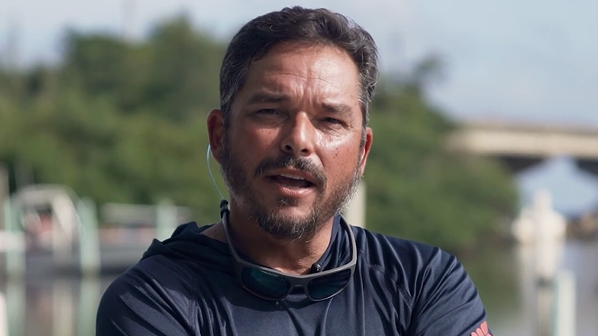
Meet your Captain Rafael Vega
- Go Fish With The Top Puerto Rico Fishing Charters!


Summary
Join a fishing charter in San Juan on Thursday, April 10th to pursue tarpon, the legendary silver king of Puerto Rico's waters. Go Tarpon PR Fishing Charters offers an unforgettable saltwater fishing experience led by Captain Rafael Vega, combining local expertise with the thrill of landing one of the ocean's most powerful game fish.
Fishing Charter with Captain Rafael Vega - Rates & Booking
Captain Rafael Vega of Go Tarpon PR Fishing Charters welcomes anglers to San Juan on Thursday, April 10th for an exhilarating tarpon fishing experience. This fishing charter is designed for those seeking to match wits with one of the ocean's most spectacular and powerful game fish. Whether you're a seasoned angler or pursuing tarpon for the first time, Captain Vega's local knowledge and expertise ensure you're positioned for success on Puerto Rico's prime tarpon waters.
To reserve your fishing charter and secure your spot on the water, contact Go Tarpon PR Fishing Charters directly. Captain Vega can provide details on current rates, available dates, and what to bring for your tarpon adventure. Booking in advance is recommended, especially during peak season, to ensure availability for your preferred fishing date.
Highlights of Your Tarpon Fishing Experience
Tarpon fishing in San Juan represents the pinnacle of saltwater action. These silver giants command respect and deliver heart-pounding strikes that test both your equipment and nerves. Captain Vega positions you in the right locations where tarpon patrol shallow flats and deeper channels, offering multiple opportunities to hook into these magnificent fish.
The visual spectacle of a tarpon's acrobatic jumps and violent head shakes makes every moment on the water memorable. The combination of technical casting, strategic presentation, and raw fighting power keeps anglers engaged from sunrise to sunset. San Juan's vibrant waters and consistent tarpon presence create the perfect setting for an adventure you won't forget.
Local Species Insights: Tarpon
Tarpon are among the most iconic fish in Puerto Rico, often called the silver king for their large, reflective scales and dramatic appearance. These prehistoric-looking fish can reach lengths exceeding seven feet and weigh over 200 pounds, making every encounter a battle of strength and strategy. Tarpon inhabit both shallow flats and deeper offshore channels around San Juan, adapting to various water conditions throughout the day.
What makes tarpon so thrilling is their unpredictable nature and acrobatic behavior. When hooked, they immediately leap and thrash with incredible force, often completely airborne in spectacular fashion. Their powerful gill flaring and head shakes as they attempt to shed the hook create moments of pure adrenaline. Tarpon are also known for their intelligence and wariness, requiring skilled presentation and patience to successfully land one.
The shallow waters and mangrove systems around San Juan provide ideal tarpon habitat. These areas offer protection and abundant food sources, drawing tarpon throughout the year. Local anglers know the seasonal patterns and specific locations where tarpon congregate, allowing for targeted fishing expeditions. Captain Vega's years of fishing these waters mean he understands tarpon behavior and movement patterns intimately, positioning you for the best chances at a world-class catch.
Tarpon fishing demands respect for the species and the environment. These fish are typically released after capture, allowing them to continue their vital role in Puerto Rico's marine ecosystem. The experience of battling and successfully landing a tarpon creates memories far beyond a simple fish story.
Fishing in Puerto Rico: Tarpon
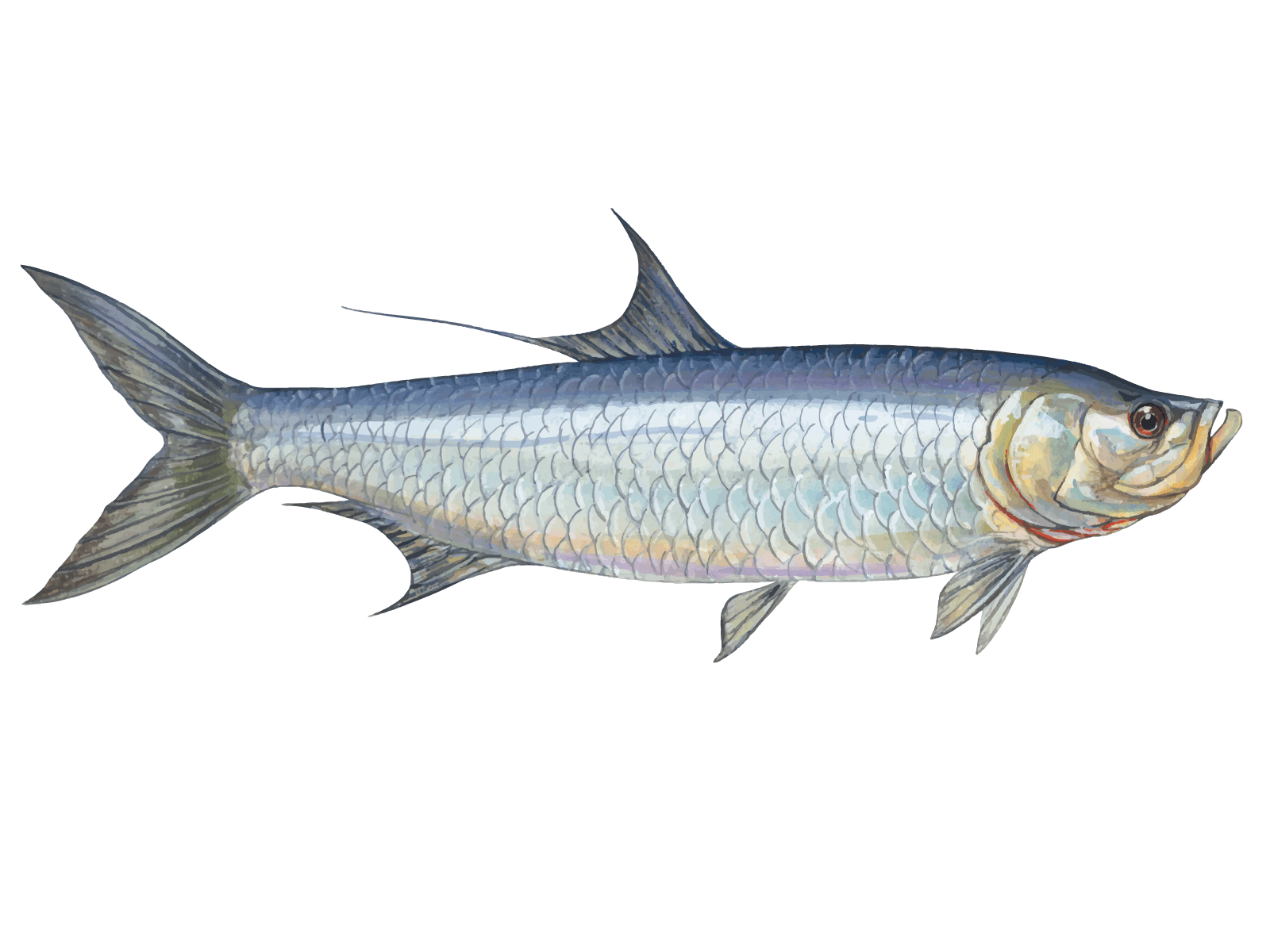
The Tarpon (Megalops atlanticus) from the family Megalopidae and order Elopiformes is arguably the most thrilling gamefish you'll encounter in warm coastal waters. Known as the "Silver King," these prehistoric giants are distinguished by their massive silver scales, elongated dorsal fin, and that unforgettable upward-pointing mouth that can unhinge like a bucket. What makes them legendary among anglers isn't just their impressive size, but their incredible acrobatics - launching up to 10 feet out of the water in spectacular aerial displays that'll have you questioning if you're fishing or watching a marine circus performance.
Tarpon Overview
These magnificent fish represent the ultimate challenge for serious anglers, combining raw power with athletic prowess that's been honed over 125 million years of evolution. They're primarily found along the western Atlantic coast from Virginia down to Brazil, with the heaviest concentrations in South Florida and the Gulf of Mexico. What draws fishing enthusiasts from around the world is their unique combination of size, fight, and accessibility - you can hook into a 100-pound fish in just a few feet of water on the flats, making for an incredibly visual and exciting angling experience.
Tarpon Habitat and Distribution
These adaptable fish thrive in a variety of environments, from shallow grass flats and mangrove creeks to deeper channels and harbor areas. They're equally comfortable in saltwater and brackish environments, often venturing into rivers and estuaries. The Florida Keys remain the epicenter of the fishing world, particularly around Islamorada, Marathon, and Key West, where the fish congregate in massive schools during their seasonal migrations. Key spots include the deeper moats around smaller keys, the edges of flats, and major channels cutting through the backcountry. During summer months, they can be found as far north as New England, while winter sees them concentrated in South Florida and Central America.
Tarpon Size and Weight
Most specimens you'll encounter range from 48 to 96 inches in length, typically weighing between 25 and 63 pounds, though the species can grow much larger. Adult fish commonly reach 4 feet and 80-100 pounds, but true giants can stretch up to 8 feet and weigh an incredible 280 pounds. Their thin bodies are covered in large, flat scales that create that distinctive silver flash underwater. The impressive size comes with age - a 100-pound fish is likely between 13-16 years old, making catch-and-release practices crucial for maintaining healthy populations.
Tarpon Diet and Behavior
As strict carnivores, they hunt mid-water baitfish with remarkable efficiency, swallowing smaller prey whole and using their speed to ambush schools of mullet, sardines, and crabs. Their unique ability to gulp air at the surface gives them a predatory advantage in low-oxygen environments, allowing them to thrive where other gamefish struggle. During the day, they often stack up in deeper holes or under bridges, becoming more active during dawn and dusk feeding periods. Their behavior varies seasonally - spring and summer months bring the famous migrations and spawning activity, while cooler months see them in deeper, more protected waters.
Tarpon Spawning and Seasonal Activity
Spawning occurs offshore in warm, secluded areas during late spring through late summer, typically coinciding with new or full moon cycles. Females release up to 12 million eggs in a spectacular broadcast spawning event, with the transparent, ribbon-like eggs floating on the surface. After hatching, juveniles remain in shallow nursery areas until reaching maturity at 7-13 years old. The seasonal migrations bring massive schools through prime fishing areas, with spring arrivals in the Keys often numbering in the thousands, creating some of the most exciting angling opportunities anywhere in the world.
Tarpon Techniques for Observation and Capture
Live bait fishing with shrimp, pinfish, mullet, or crabs remains the most effective approach - stake out above known holding areas and drift your bait down to the fish. A 5000-7000 size spinning reel paired with a medium-weight rod provides sufficient power without being cumbersome. For the ultimate challenge, fly fishing on the shallow flats using patterns like the Black Death, Tarpon Toad, or Purple People Eater on a 10-weight rod creates heart-stopping visual encounters. Around the Florida Keys, focus on the edges of flats during moving tides, particularly early morning and late afternoon when the fish are most active. The key is patience and being ready for that explosive strike - when it happens, hold on tight and prepare for an aerial show that'll last in your memory forever.
Tarpon Culinary and Utilization Notes
While technically edible, these fish are rarely kept for the table due to several factors. Their flesh contains high mercury levels and has a tough, bony texture that makes preparation challenging. The meat is white and flaky with a mild, somewhat oily flavor, but the numerous small bones make it impractical for most cooking methods. More importantly, their slow growth rate, late maturity, and threatened population status make catch-and-release the ethical choice. The real value lies in the incredible fishing experience they provide - the fight, the jumps, and the story you'll tell for years to come are worth far more than any meal.
Tarpon Frequently Asked Questions
Q: What is the best bait for Tarpon fishing?
A: Live bait works best - large shrimp, pinfish, mullet, and blue crabs are all excellent choices. Hook crabs through the corner of the shell and baitfish through the mouth. Fresh cut bait can also be effective, especially mullet and sardines.
Q: Where can I find Tarpon near the Florida Keys?
A: Focus on the channels between keys, deeper moats around smaller islands, and the edges of grass flats. Popular spots include Islamorada's backcountry, the Seven Mile Bridge area near Marathon, and the flats around Key West. Harbor areas and bridges often hold fish during the day.
Q: Is Tarpon good to eat?
A: While edible, they're not recommended for consumption due to high mercury levels, tough flesh, and numerous bones. More importantly, these slow-growing fish are crucial to maintain in the ecosystem, making catch-and-release the preferred practice among responsible anglers.
Q: When is the best time to catch Tarpon?
A: Peak season runs from March through July in South Florida, with May and June typically offering the best action. Fish during moving tides, particularly early morning and late afternoon. New and full moon periods often provide the most activity.
Q: How big do Tarpon get and how old do they live?
A: Common sizes range from 4-6 feet and 80-100 pounds, but giants can reach 8 feet and 280 pounds. They're incredibly long-lived, with lifespans exceeding 50 years. A 100-pound fish is typically 13-16 years old, highlighting the importance of release practices.
Q: What tackle do I need for Tarpon fishing?
A: A 5000-7000 size spinning reel with smooth drag, paired with a medium-heavy rod, handles most situations. Use 30-50 pound braided line with a fluorocarbon leader. The reel must be corrosion-resistant and have enough capacity for long runs - these fish can strip hundreds of yards of line in seconds.